
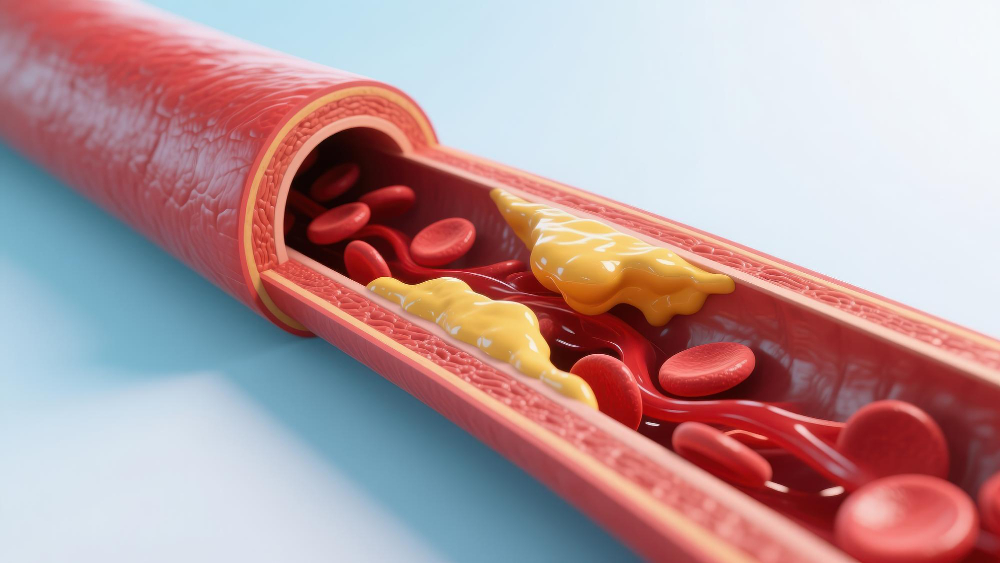
Introduction to High Cholesterol
Many people worry about high cholesterol. However, there are many high cholesterol myths that can cause confusion. Cholesterol is a waxy substance found in your blood. Your body needs some cholesterol to work well. But too much can raise your risk of heart problems. Understanding the truth about cholesterol is important for your health.
Why Understanding Cholesterol Matters
Knowing the facts about cholesterol helps you make better choices. For example, you can protect your heart health by learning what really affects cholesterol levels. When you know the truth, you can avoid common cholesterol misconceptions. This helps you focus on what truly matters for cholesterol management.
Top Myths About High Cholesterol
Evidence-Based Facts
According to the World Health Organization (WHO), high cholesterol is a major risk for heart disease and stroke. The Centers for Disease Control and Prevention (CDC) also states that high cholesterol often has no warning signs. In fact, regular blood tests are the only way to know your cholesterol levels. Studies in medical journals show that lifestyle changes can lower cholesterol and improve heart health. Therefore, it is important to focus on proven steps for cholesterol management.
How to Manage High Cholesterol
Managing cholesterol does not have to be hard. Here are some simple tips:
When to See a Doctor
Even if you feel fine, you should see a doctor for regular cholesterol checks. Early action can prevent heart problems. If you have a family history of high cholesterol or heart disease, talk to your doctor sooner. Also, if you have other health issues like diabetes or high blood pressure, regular check-ups are important. Your doctor can help you create a plan for better cholesterol management.
Consult a general physician for personalized cholesterol management advice.